PUBLIC QA CASE STUDY
Risk-based coverage strategy
For an e-commerce testing challenge, I prioritised purchase, registration, and authentication around upcoming product changes. The strategy explains what to test first and why.
13 years in manual QA and quality strategy, with a UX background. I help teams understand product risk, test what matters, and make informed release decisions.

Examples of how I prioritise coverage, investigate failures, and use automation to support product quality. Each case includes the approach and evidence.
PUBLIC QA CASE STUDY
For an e-commerce testing challenge, I prioritised purchase, registration, and authentication around upcoming product changes. The strategy explains what to test first and why.
PROFESSIONAL WORK · ANONYMISED
Combined Cypress migration checks with visual regression across desktop and mobile viewports. Anonymised evidence shows how I checked critical UI areas for unintended changes.
PUBLIC PROJECT
Automated critical e-commerce journeys on a site with known defects. HTML reports and cross-browser CI surface the failures rather than hide them behind a green build.
PUBLIC PROJECT · AI-ASSISTED
Used AI to support test planning and Playwright implementation. The workflow connects the plan, generation instructions, reviewed code, and cross-browser results.
Professional work is anonymised to protect client confidentiality.
How I work
Manual QA and UX inform my decisions. Automation and AI support the work; they do not replace judgement.
I start with risk: what can fail, who it affects, and where the team needs confidence.
I build quality into delivery, from discovery and acceptance criteria through release.
I automate the repeatable and protect time for product judgement, usability, and real-world edge cases.
Experience
Built QA processes and Cypress automation for enterprise releases. Automation made critical flows repeatable before deployment, reduced manual effort, and gave teams earlier feedback. Coordinated distributed teams and mentored junior QA engineers.
Led QA across concurrent Agile projects, introducing Cypress automation, quality metrics, and release-readiness practices.
Validated responsive web applications across front-end and back-end flows, shaping test strategy and acceptance criteria for major releases.
Prioritised high-risk campaign-platform testing, established baseline QA practices, and translated technical issues into stakeholder impact.
Based in Barcelona. Open to full-time roles and collaborations in tech companies operating in European or global markets.
PUBLIC QA CASE STUDY
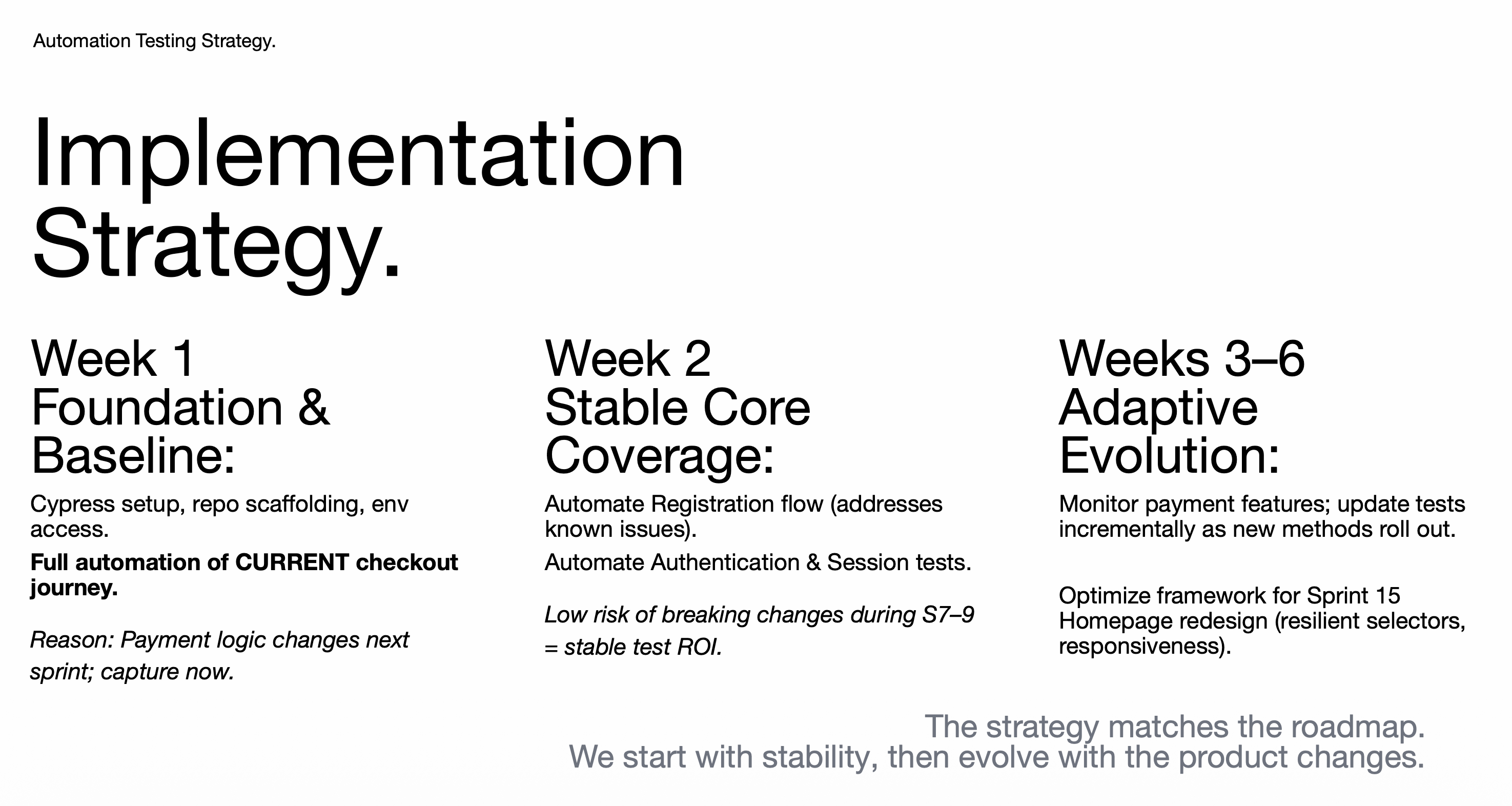
Automation starts with a judgement call: which journeys need confidence first. This strategy prioritised checkout, registration, and authentication around planned product changes and user impact.
ScopeCritical purchase, registration, and authentication flows.
ApproachCoverage evolves with the roadmap instead of treating every test equally.
ValueManual QA judgement shapes where automation is most useful.

PROFESSIONAL WORK · ANONYMISED
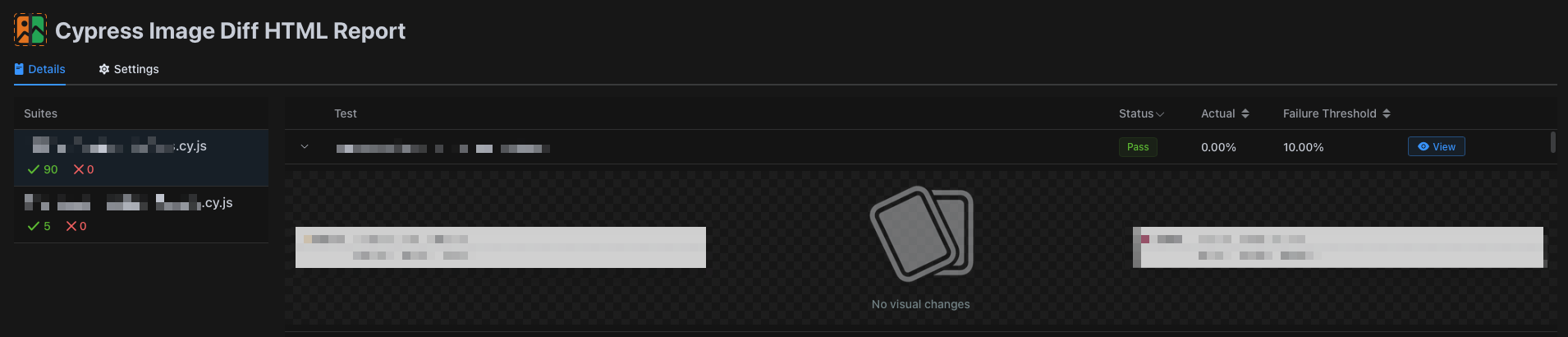
Visual checks compare key UI areas against an approved baseline across desktop and mobile viewports. They make unexpected interface changes visible without replacing human review.
CoverageCritical pages and shared interface areas across responsive breakpoints.
SignalImage differences are measured against a defined threshold and reviewed in context.
PrivacyProject and client identifiers have been removed from the evidence shown here.
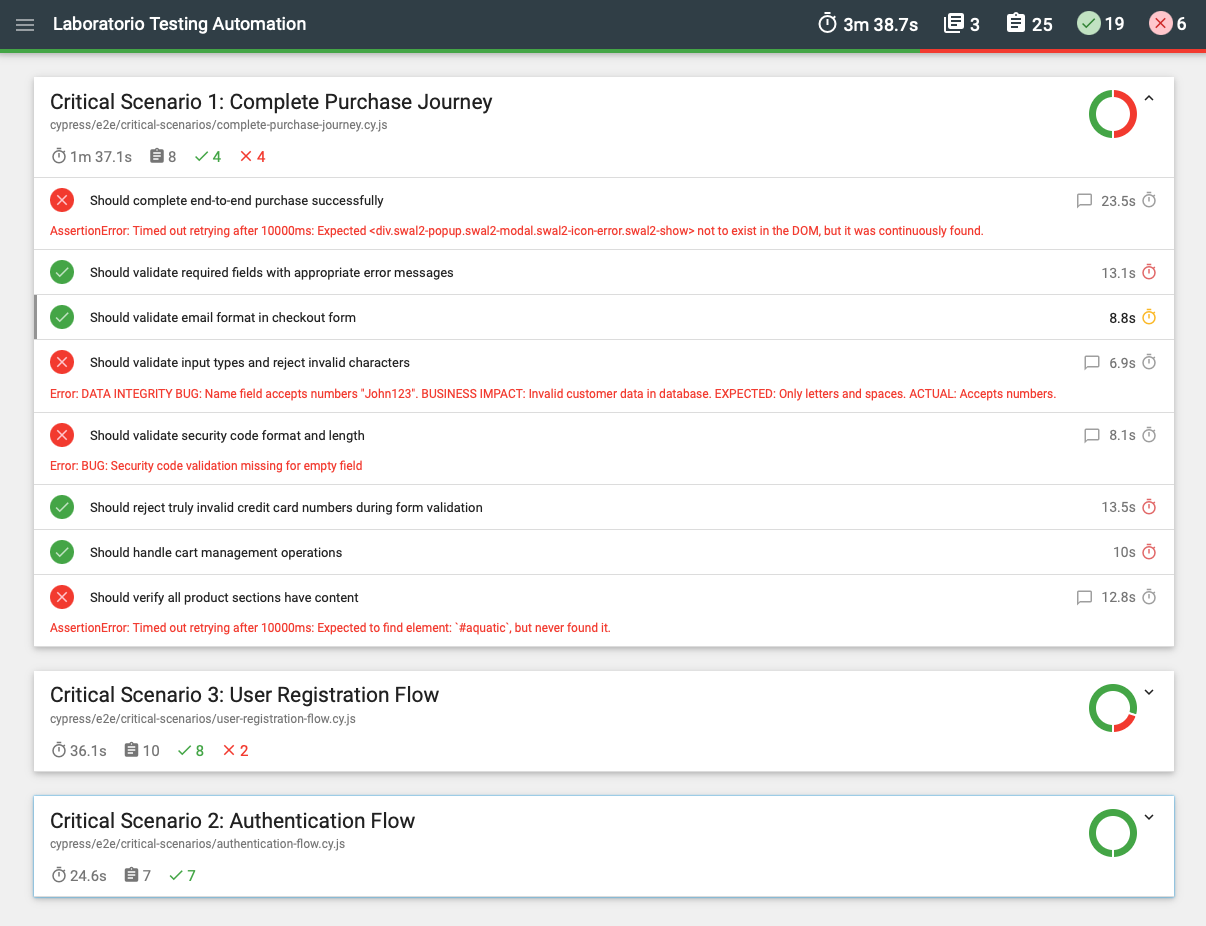
The report groups critical checkout, registration, and authentication checks, making defects visible alongside passing coverage.
PUBLIC PROJECT
This suite validates key e-commerce journeys locally and in GitHub Actions across Chrome and Firefox. A failing run is useful evidence: it tells the team where to investigate before release.
ExecutionCritical scenarios run end to end, with a readable HTML report.
CICross-browser runs complete even when one browser surfaces failures.
OutcomeResults distinguish working paths from issues that need product or engineering attention.
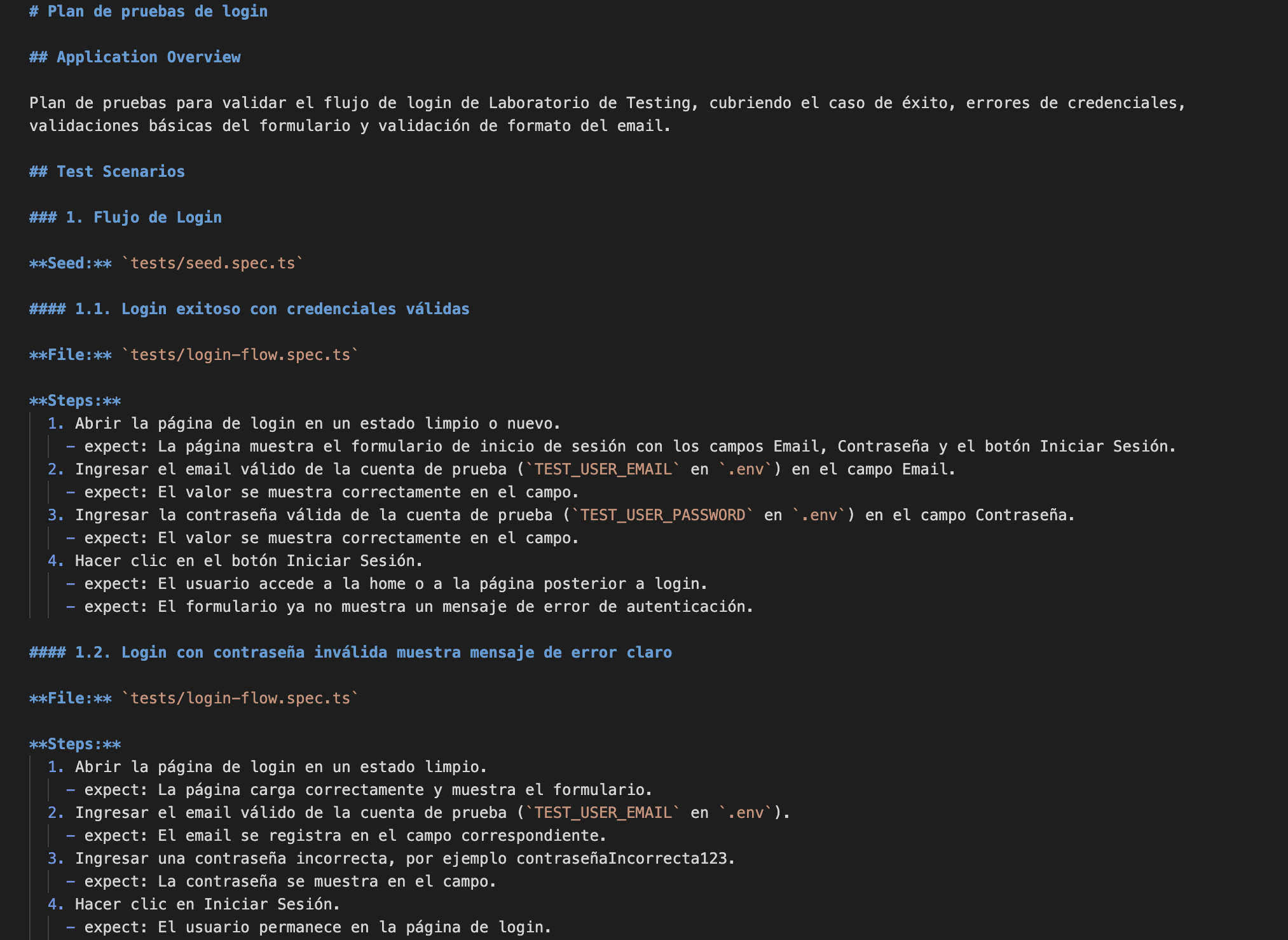
The plan turns the login flow into explicit scenarios, steps, and expected outcomes.
PUBLIC PROJECT · AI-ASSISTED
AI can turn a defined scenario into a starting point for test code. QA remains responsible for deciding what matters, reviewing the implementation, and interpreting the result.
PlanTest scenarios define the user journey, expected behaviour, and risk before implementation.
GenerateBrowser interactions provide the raw material for Playwright code and semantic locators.
ReviewHuman review validates scope, assertions, and whether the test reflects intended product behaviour.
VerifyThe suite runs across Chromium, Firefox, and WebKit, with an HTML report for the final evidence.